Picket railing has been the standard on North American decks and balconies for decades. Vertical aluminum or steel balusters are strong, simple and fairly cheap. Glass panels, on the other hand, promise open views and a modern look. So the question of glass vs picket railing comes up on almost every project we quote. At UNIKIM we make stainless steel hardware for glass railing in our Ningbo factory, and many of our distributors also sell picket systems. This guide compares the two honestly, so you can choose the right one for the site, the budget and the people who will live with it.
What we mean by glass and picket railing
Before comparing, it helps to be clear about the two systems.
A picket railing uses vertical bars, called pickets or balusters, set between a top rail and a bottom rail. Posts carry the rails at regular spacing. Most modern picket systems are powder-coated aluminum, although steel, wood and stainless versions exist.
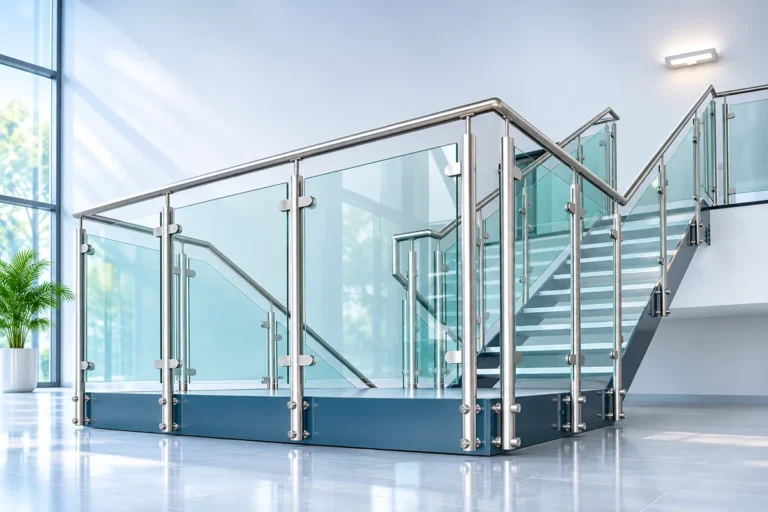
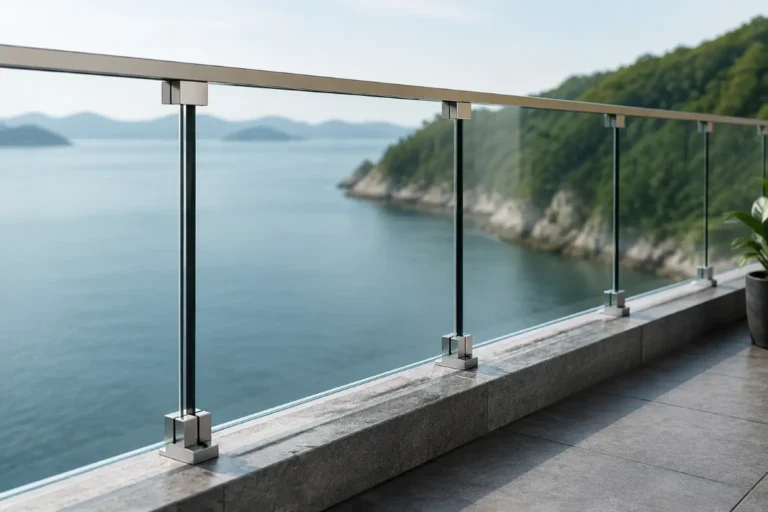
A glass railing uses panels of safety glass as the infill. The glass can sit between posts with clamps, stand in spigots, fix to the slab edge with standoffs, or slide into a continuous base shoe. Some designs add a top rail, while others leave the top edge of the glass open.
In both cases, the railing is a guard. It must stop people from falling, and it must meet the same code rules for height, openings and load. The difference is in how it does the job and how it looks.
Glass vs picket railing at a glance
The table below sums up how the two systems usually compare on a residential deck or balcony.
| Factor | Glass railing | Aluminum picket railing |
|---|---|---|
| View | Almost clear | Broken by vertical bars |
| Look | Modern, minimal | Classic, familiar |
| Wind | Blocks wind | Lets wind through |
| Cleaning | Needs regular glass cleaning | Little cleaning needed |
| Climbing risk | No footholds | Low with vertical pickets |
| Weight | Heavy panels | Light parts |
| Install skill | Higher | Lower |
| Typical cost | Higher | Lower |
Each row hides some detail, so the sections below explain the points that matter most.
Glass vs picket railing: views and looks
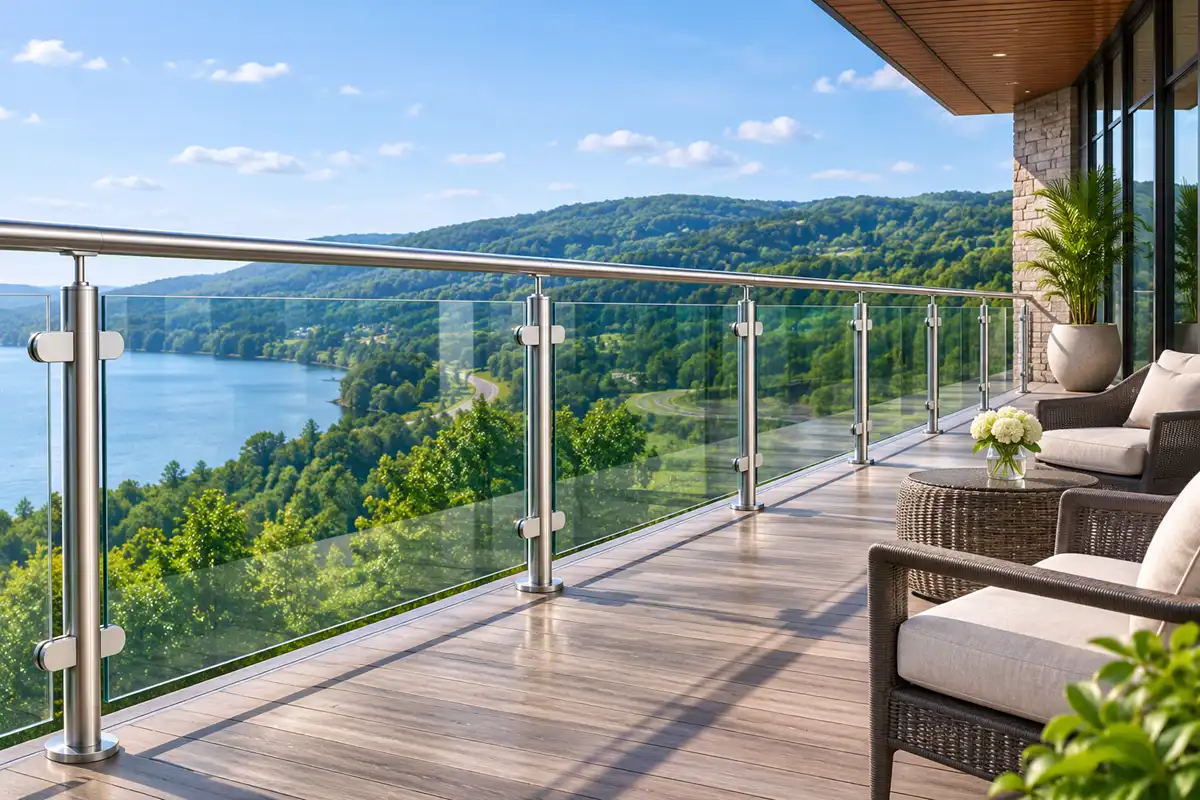
This is where glass wins clearly. A glass panel keeps the view open from a seated position, which matters on a lake, sea or city view. Pickets, by contrast, put a vertical bar every few inches. From a chair, those bars add up to a visual fence.
Looks are more personal. Glass suits modern houses, flat roofs and clean lines. Picket railing suits traditional homes and many townhouse projects. Above all, think about the whole building, not just the deck. In the glass vs picket railing decision, the right choice is the one that fits the house.
[Image: side-by-side view from a deck chair through glass panels and through aluminum pickets]
Safety and code rules
Both systems can meet the code when they are designed and installed properly. However, they reach it in different ways.
Height and openings
In the US, the IBC rules for guards require guards where a walking surface is more than 30 in above the level below, with openings small enough that a 4 in sphere cannot pass. Homes under the IRC usually need guards at least 36 in high, while commercial buildings usually need 42 in. Our guide to guardrail height requirements covers the details by country.
Pickets meet the opening rule by spacing. Glass meets it easily, because the panel has no openings at all. Only the gaps between panels and at the floor need checking.
Glass rules
Glass in a guard has extra rules. Under the IBC section 2407 on glass in guards, the glass generally must be laminated safety glass, designed with a high safety factor. That is one reason glass costs more than pickets. For more on glass types, read laminated vs tempered glass.
Climbing
Children climb anything with footholds. Vertical pickets give few, which is why they replaced horizontal rails on many decks. Glass gives none at all. So on climbing risk, both systems are good, and glass is slightly better.
Glass vs picket railing cost: where the money goes
On a like-for-like deck, glass railing usually costs more than aluminum picket railing. The reasons are simple. Safety glass is expensive to make, heavy to ship and slow to install. In addition, glass systems need precise hardware, such as spigots, clamps or base shoes, and accurate site measurement.
Picket systems, by contrast, come in light kits. Installers can cut them on site and fit them quickly. That keeps labour low.
However, the gap is smaller than many buyers expect when you compare a quality picket system with a simple post-and-clamp glass system. For real price ranges, read our guide to glass railing cost per linear foot. In practice, the glass vs picket railing price gap depends most on the glass build-up and the hardware style.
Glass vs picket railing: cleaning and upkeep
This is where picket railing earns its keep. Powder-coated aluminum needs an occasional wash and little else. Glass, on the other hand, shows rain spots, salt, pollen and fingerprints. Most owners clean it every few weeks in season.
Glass hardware needs care too. Stainless steel stays bright when it is the right grade and is rinsed now and then. Near the sea or a pool, choose AISI 316. Our guide to maintaining stainless steel glass balustrades gives a simple routine.
So if the owner hates cleaning, be honest with them. In the glass vs picket railing choice, upkeep is often the deciding factor for busy families and rental properties.
Wind, snow and comfort
Wind is a big factor in glass vs picket railing. Glass blocks wind. On a high balcony or an exposed coastal deck, that makes the space far more usable. As a result, many owners pick glass for comfort, not just for the view.
Pickets let wind pass. That is useful in some places, because the railing sees less wind load. On the other hand, the deck feels exposed on a cold day.
In snowy areas, glass can trap drifting snow on the deck. Pickets let more of it blow through. However, both systems must be designed for the local wind and snow loads, so ask your supplier about the design basis.
Durability and lifespan
Both systems last a long time when the materials suit the site. Powder-coated aluminum resists rust well. Still, the coating can chalk and fade in strong sun after many years, and scratches through to bare metal show. Touch-up paint helps, but the colour rarely matches perfectly.
Glass itself does not fade or rust. The weak points are the hardware and the seals. Stainless steel spigots, clamps and posts in the right grade stay sound for decades. However, rubber gaskets and setting blocks age and may need replacing. A cheap clamp in the wrong grade will stain long before the glass shows any wear.
So in the glass vs picket railing comparison, lifespan depends less on the system type and more on quality. Buy a good system from a supplier that states the grade of every part, and both will outlast the deck boards.
Glass vs picket railing on stairs
Stairs bring their own challenges. On a picket stair railing, the pickets must follow the slope while the rails stay parallel to the stair. Most aluminum kits handle this with swivel brackets, so installation stays simple.
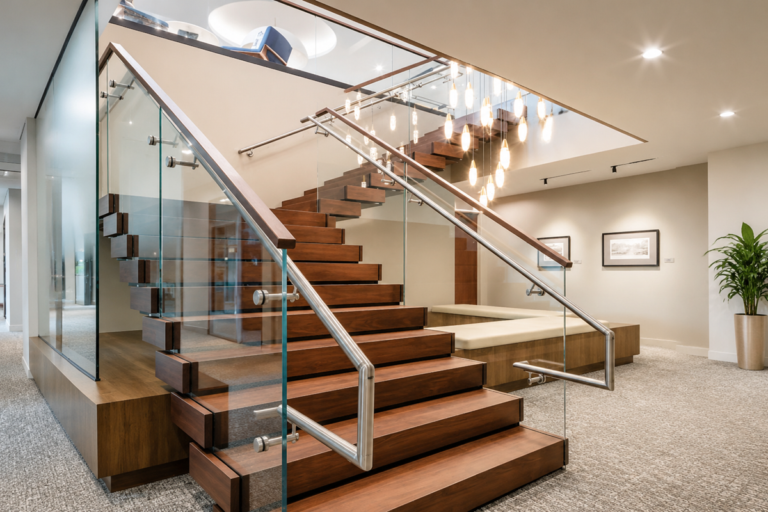
Glass on stairs needs panels cut to the stair angle. Each panel is a parallelogram, so accurate measurement is essential. Therefore, many installers use a post-and-clamp system on stairs, because the clamps can adjust slightly to the slope. Others use a base shoe or spigots for a frameless stair.
Stairs also need a graspable handrail. On a picket railing, the top rail often serves that purpose. Glass, however, usually needs a separate round handrail on brackets. For the full rules, read our guide to frameless glass stair railing. In short, the glass vs picket railing choice on stairs often costs more for glass than on a flat deck.
Installation
On installation, glass vs picket railing is an easy call. Picket railing is friendly to installers. Parts are light, cuts are simple and small errors are easy to correct.
Glass needs more planning. Panels are made to size in a factory, so site measurements must be accurate. Spigots or base shoes must be set level and fixed to a strong structure. If you plan to fit glass yourself, read how to install frameless glass railings first, and get help to lift the panels.
The hybrid option: glass panels with posts
Many buyers do not have to choose one or the other. A hybrid system uses posts, like a picket railing, with glass panels held by clamps instead of pickets. It keeps most of the view while costing less than a fully frameless design.
Hybrid systems are easy to repair, because each panel is small and held at its edges. They also suit stairs and long runs well. UNIKIM makes stainless steel railing posts and glass clamps for exactly this type of system.
For a fully frameless look, use glass spigots or an aluminum base shoe instead. Our article on frameless glass railing for decks shows how those designs work outdoors.
How to decide: glass vs picket railing checklist
If you are still unsure, run through these questions with your client.
- Is there a view worth keeping? If yes, glass usually wins.
- Is the deck exposed to wind? Glass makes it more comfortable.
- Who will clean it? If nobody, pickets are the easier life.
- What is the budget per foot? Pickets cost less; hybrid glass sits in between.
- Does the house suit a modern look? Match the railing to the building.
- Are there young children? Both work; avoid horizontal rails either way.
Why work with UNIKIM
UNIKIM has made stainless steel railing hardware in Ningbo, China, for more than 20 years. We supply glass spigots, glass clamps, standoffs, posts, handrails and fittings in AISI 304 and 316 to distributors, contractors and fabricators. Many of our customers sell both picket and glass systems, and we help them add glass railing to their range with OEM and wholesale supply. You can see our factory and products on the UNIKIM Made-in-China store.
FAQ
Usually, yes. Safety glass costs more to make, ship and install than aluminum pickets, and glass systems need precise hardware. However, a hybrid system with posts and glass clamps narrows the gap. In the glass vs picket railing choice, compare full installed prices for the same length and height, not just material prices.
Yes, when it is designed and installed to code. Glass in guards must be laminated safety glass under the IBC, and it has no openings or footholds. Pickets are also safe when spaced to stop a 4 in sphere. In terms of safety, glass vs picket railing is less important than correct design, anchoring and installation.
More than pickets. Glass shows rain spots, salt and fingerprints, so most owners clean it every few weeks in season. Mild soap and water or a non-ammonia glass cleaner works well. If the owner wants a low-maintenance deck, factor cleaning into the glass vs picket railing decision before ordering.
Glass usually feels better, because it blocks wind and keeps the deck usable. Near the sea, use AISI 316 stainless hardware and rinse it with fresh water. Pickets let wind through and need little care. For exposed sites, the glass vs picket railing choice should also consider the design wind load.
Yes. Many projects use glass where the view matters and pickets on sides or stairs facing a wall or a neighbour. A hybrid system with posts and glass clamps also blends the two looks. When mixing, keep post sizes and finishes matched, so the glass vs picket railing sections look planned rather than patched.
Summary
The glass vs picket railing decision comes down to view, budget, upkeep and style. Glass gives open views, wind shelter and a modern look, but costs more and needs regular cleaning. Aluminum pickets are cheaper, lighter and easier to maintain. A hybrid of posts and glass clamps often gives the best balance. Whatever you choose, meet the code for height, openings and loads, and use AISI 316 hardware near water. UNIKIM supplies glass railing hardware to distributors and contractors worldwide. To add glass railing to your range or quote a project, contact our team.