Transforming your deck into a modern masterpiece requires more than just a beautiful floor, it takes the best cable railing system for decks to unlock safety, durability, and breathtaking views. Whether you’re seeking a panoramic backyard oasis or ensuring your family’s safety, cable railings are the go-to choice for homeowners and builders alike. This comprehensive guide dives deep into every critical aspect of choosing, installing, and maintaining the right cable railing for your deck.
Why Choose Cable Railing for Decks?
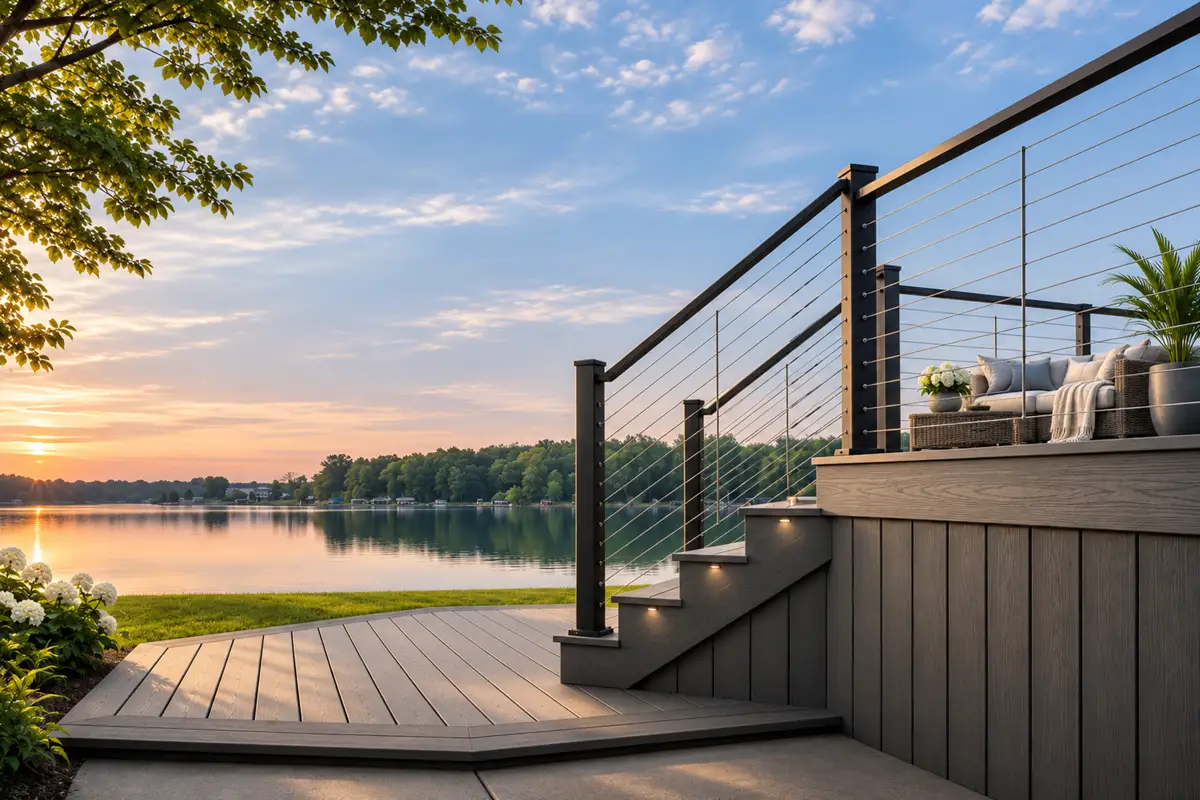
Cable railing systems have become the top choice for home exteriors, especially decks, combining elegant contemporary looks with robust performance. The main reasons homeowners and designers flock to this style include:
Unobstructed Views: Cable railing systems use slender stainless steel cables that maximize visibility, making them perfect for scenic landscapes and backyard getaways.
Safety: Engineered for strength, cable railings ensure maximum protection for children, pets, and guests, without compromising aesthetics.
Durability: Made from premium materials like 316 stainless steel, cable railings withstand harsh weather—resisting corrosion, rust, and UV rays.
Low Maintenance: Forget painting or routine coating. A simple occasional cleaning keeps them looking brand new.
Embrace the fusion of design and safety by exploring the versatile collection at urailing Stainless Steel Railing Systems.
Features to Look for in the Best Cable Railing System
When selecting a cable railing system, consider the following features:
Material Quality
The material determines the durability and appearance of your railing. Stainless steel is the most popular choice due to its strength and resistance to corrosion. For a premium look, check out our matte black stainless steel glass handrail cap railing.
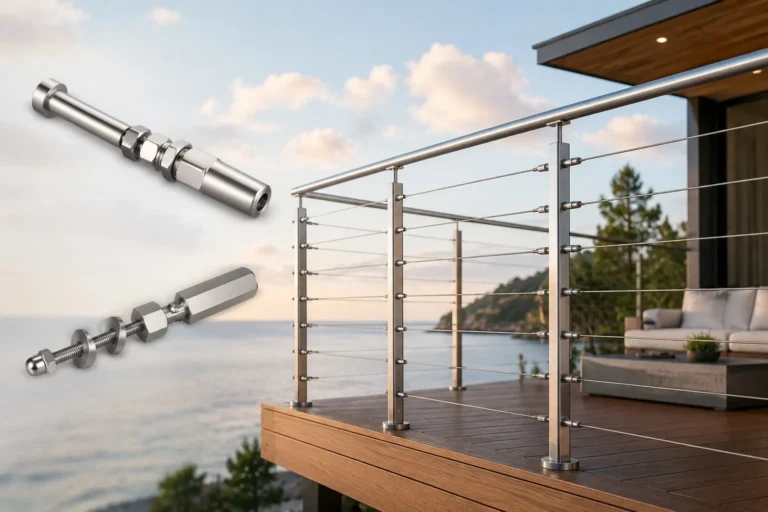
Cable Tensioning System
A reliable tensioning system ensures the cables remain taut and secure over time. Look for systems with easy-to-adjust tensioners for hassle-free maintenance.
Compliance with Building Codes
Ensure the railing system meets local building codes for height, spacing, and load capacity.
Aesthetic Appeal
Choose a design that complements your deck’s style. Whether you prefer a minimalist look or a more intricate design, our glass railing systems offer versatile options.
Ease of Installation
Opt for systems that come with clear instructions and pre-drilled components for straightforward installation.
Top 5 Cable Railing Systems for Decks
Here’s a curated list of the best cable railing systems for decks based on quality, design, and customer reviews:
- Stainless Steel Cable Railing System
- Known for its durability and sleek finish.
- Perfect for modern and contemporary decks.
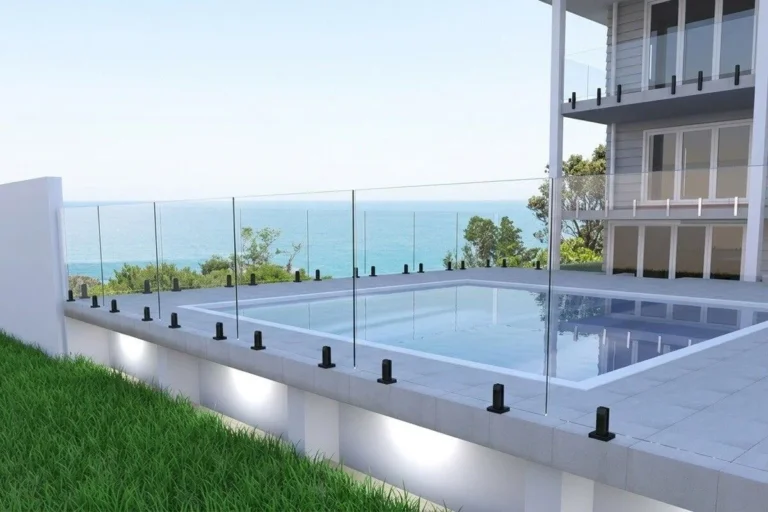
- Glass Panel Cable Railing System
- Combines the transparency of glass with the strength of cables.
- Ideal for decks with panoramic views.
- Wood and Cable Hybrid Railing System
- Offers a rustic charm with the durability of cables.
- Great for traditional or farmhouse-style decks.
- Aluminum Cable Railing System
- Lightweight and corrosion-resistant.
- Suitable for coastal areas with high humidity.
- Customizable Cable Railing System
- Allows you to tailor the design to your specific needs.
- Available in various finishes and configurations.
For more options, browse our cap rail collection.
Maintenance Tips for Cable Railing Systems
While cable railings are low-maintenance, regular care can extend their lifespan:
- Clean Regularly: Wipe the cables with a damp cloth to remove dirt and debris.
- Inspect for Damage: Check for loose cables or corroded fittings and address them promptly.
- Apply Lubricant: Lubricate tensioners to ensure smooth operation.
- Protect from Harsh Weather: Use protective covers during extreme weather conditions.
How to Plan Cable Railing for a Deck
- Measure every run. A run is a straight length of cable between two end or corner posts. Note each length and any stairs.
- Mark the end and corner posts. These carry the pull of all the cables, so they need the strongest posts and fixings. Split very long straight runs with an extra end post.
- Set the intermediate post or spacer positions. Many systems use a post or cable spacer every 3 to 4 feet so the cables cannot be pushed apart.
- Set the cable spacing. Keep the gap at about 3 inches so the railing still passes the 4-inch sphere test when the cables flex.
- Choose a stiff top rail. The top rail ties the posts together and stops them leaning in under cable tension.
- Count the fittings. Each cable needs one tensioning end and one fixed end, plus protector sleeves where it passes through intermediate posts.
Deck Cable Railing Code Checklist
Rules differ by country and city, so always check with your local building department. In the United States, the International Residential Code sets the main rules for home decks:
- A guard is needed where the deck is more than 30 inches above the ground.
- Guards on homes are at least 36 inches high; most commercial decks need 42 inches.
- No opening may pass a 4-inch sphere, tested with the cables pushed apart.
- The top rail must resist a 200 lb concentrated load.
- Stairs with four or more risers need a handrail as well as a guard.
Read more in our cable railing building code guide and the country-by-country guardrail height requirements.
Wood, Steel or Aluminum Posts?
| Post type | Strengths | Watch out for |
|---|---|---|
| Wood | Warm look, matches wood decks, easy to drill on site | End posts must be large and well fixed; wood can shrink and loosen cables |
| Stainless steel | Slim, strong and corrosion resistant; best near the sea in AISI 316 | Higher material cost; holes are usually drilled in the factory |
| Aluminum | Light and easy to handle, often powder coated | Needs a thick enough wall for end posts; check the coating near salt water |
If you are mixing wood and stainless, our guide to cable railing with wood posts shows the fittings and post sizes that work.
Choosing Cable and Fittings for an Outdoor Deck
Use 1×19 stainless steel strand for deck railings, because it stretches very little and stays straight. Common sizes are 1/8 in (3.2 mm), 5/32 in (4 mm) and 3/16 in (4.8 mm). For decks near the sea, a pool or a busy road, choose AISI 316 for the cable and every fitting, and rinse them with fresh water from time to time. Our guides to stainless steel cable for outdoor railings and the cable railing hardware guide compare the options, and the cable railing systems range shows UNIKIM parts.
What Does Deck Cable Railing Cost?
Price depends mostly on the post material, the number of end and corner posts, the cable size, the steel grade and the labour in your area. Long straight runs cost less per foot than short runs with many corners, because corners and ends need the most hardware. See how much cable railing costs per linear foot for a full breakdown, or send us your deck plan for a factory quotation.
Common Mistakes on Deck Cable Railings
- End posts that are too small. They bend under the combined pull of the cables, the cables go slack and the railing fails inspection.
- Too few intermediate posts or spacers. Cables can then be pushed apart wider than the 4-inch limit.
- Holes drilled out of line. Cables rub on the posts, look uneven and are harder to tension. Use a drilling jig or factory-drilled posts.
- Mixing 304 and 316 parts outdoors. The 304 parts stain first near salt water or pool chemicals. Keep the whole system in one grade.
- No re-tension check. New cable settles, so check tension a few weeks after installation and once a year after that.
- Forgetting the stairs. Cables on stairs run at an angle, so they need angled fittings or protector sleeves and their own handrail.
Planning stairs too? See the best stainless steel cable railing systems for stairs.
Cable Railing on Coastal and Pool Decks
Salt spray and pool chemicals both carry chlorides, the main cause of tea staining and pitting on stainless steel. On these decks, use AISI 316 for cable, fittings and posts, choose a smooth satin or polished finish that sheds dirt, and avoid crevices where salt can sit. Rinse the railing with fresh water every few weeks in the season, and more often on decks that face the sea. Brown marks that appear early are usually surface staining, not structural rust, and can be removed with a stainless steel cleaner. Our article on the best railing systems for coastal areas covers this in more depth.
Summary
Choosing the best cable railing system for decks involves considering factors like material quality, design, and compliance with building codes. With their sleek appearance, durability, and low maintenance, cable railings are an excellent investment for enhancing your outdoor space.
For premium cable railing systems, visit UNIKIM and explore our extensive collection.
FAQs
Are cable railings safe for kids and pets?
Yes! As long as the cables are properly tensioned and spaced (usually no more than 4 inches apart), they’re fully compliant and safe.
Do I need a permit to install cable railing?
Most locations require a permit for new deck railing installations. Check with your local building department to ensure compliance.
What’s the best material for cable railings?
316-grade stainless steel is the gold standard for outdoor use, especially near saltwater or high-moisture environments.
Can I paint my cable railing?
You shouldn’t paint the cables themselves, but you can powder coat or buy pre-colored posts—like the matte black options from UNIKIM.
Where can I buy reliable cable railing systems?
Visit UNIKIM for premium modular and modern systems. For large-scale sourcing, check out Unikim China.